The Chains We Forge: Complicity as a Tool of Oppression
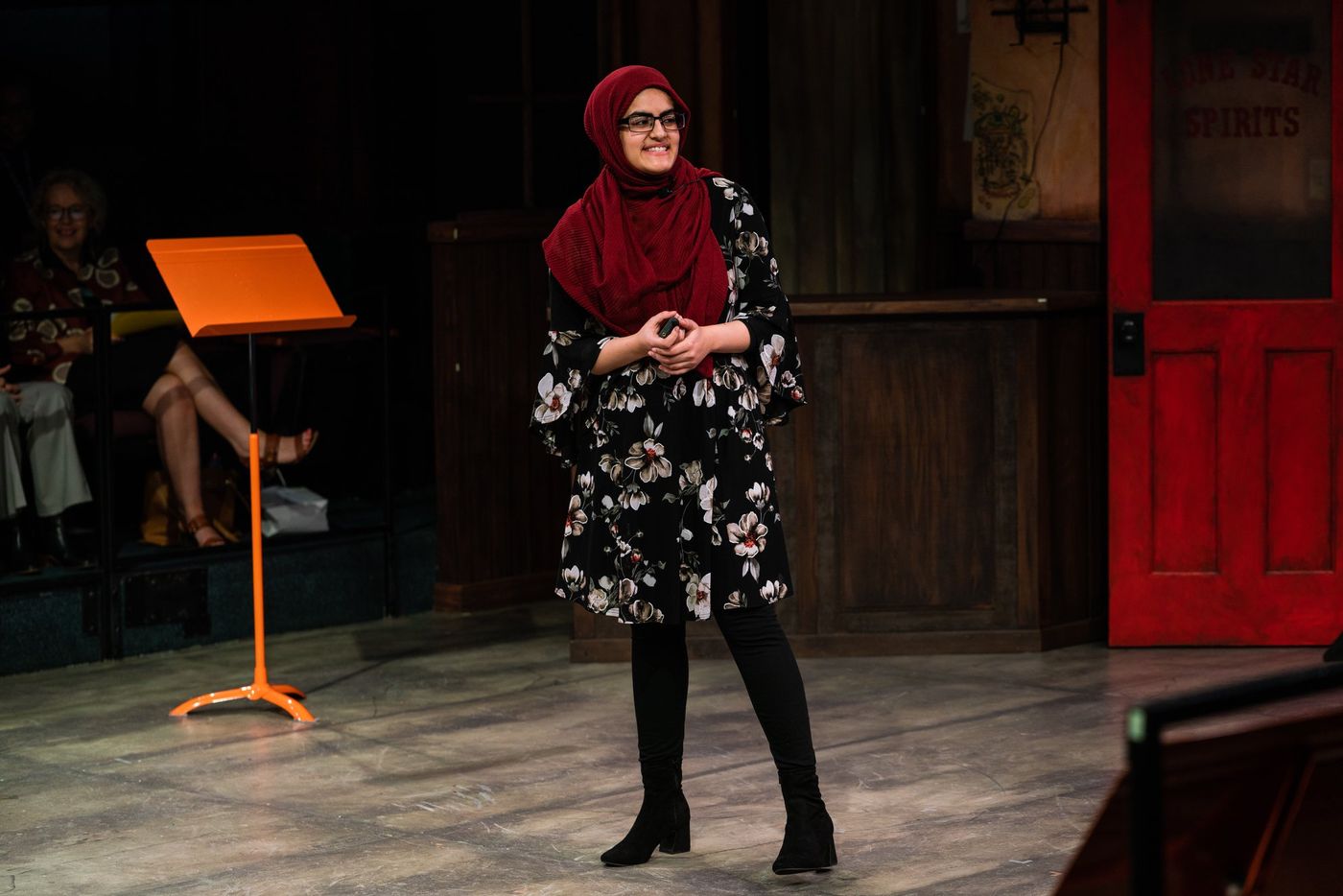
Presented at the William & Mary Graduate Research Symposium.
My work lives where genocide & mass-atrocity prevention, international law, and lived human experience meet — how violence begins, how transitional justice repairs what it can, and how prevention gets there first. I’m currently an Auschwitz Institute Fellow doing my MS at Binghamton.
Six threads I keep pulling on.
How societies pursue accountability and repair after mass violence — and why the sequence matters.
How we remember violence, who owns the story once it’s told, and what remembering is for.
The uncomfortable middle — bystanders, enablers, and the slow slide from ordinary to unthinkable.
The role of ordinary communities in building peace from the ground up, before and after atrocity.
Reading atrocity through culture, memory and identity — because the numbers alone never explain it.
Using data and emerging tools to anticipate mass violence early enough to act.
Tap any card for the fuller story — a few link out to video.
Presented at the William & Mary Graduate Research Symposium.
An earlier version, pressure-tested at Binghamton’s Philosophy Graduate Conference.
A comparative genocides case study, Binghamton University.
An interactive, map-driven comparative study reading atrocity as a process.
On the efficacy of the Genocide Convention — incl. The Gambia v. Myanmar.
Presented at the Maryland Collegiate Honors Conference.
Presented at the frank Conference, University of Florida.
Panelist at the Maryland Collegiate Honors Conference.
Binghamton University
Hood College
Montgomery College
Honor societies: Pi Sigma Alpha (political science) · Sigma Iota Rho (international studies) · Sigma Delta Pi (Spanish) · Phi Theta Kappa (two-year honors)